

Traction Alopecia: What Is It & What You Need to Know
What is Traction Alopecia?
 Traction alopecia is a type of hair loss that occurs when excessive tension or pulling is applied to the hair follicles over a prolonged period of time. This condition is often caused by hairstyles that constantly pull on the hair, such as tight braids, ponytails, or extensions. While traction alopecia is more commonly associated with women, it can affect anyone who regularly engages in these hair styling practices.
Traction alopecia occurs when the hair follicles are repeatedly subjected to tension or pulling. This constant strain weakens the hair shaft and eventually leads to hair loss. The primary cause of traction alopecia is tight hairstyles that place excessive stress on the hair, such as tight ponytails, braids, or buns. Hair extensions and weaves can also contribute to traction alopecia if they are attached too tightly or worn for extended periods of time.
What Does Traction Alopecia Look Like?
The early signs of traction alopecia may include a receding hairline, thinning hair, and small bald spots. As the condition progresses, the affected areas may become more prominent, and the hair may begin to break off or fall out completely. Traction alopecia is typically seen along the hairline, temples, and the areas where the hair is pulled tightly, such as the crown of the head. If left untreated, traction alopecia can lead to permanent hair loss.
Traction Alopecia, Self-Esteem & Mental Health
Traction alopecia not only affects physical appearance but also has a significant impact on self-esteem and mental health. Hair loss can be emotionally distressing, leading to feelings of self-consciousness, embarrassment, and even depression. Individuals with traction alopecia may experience a loss of confidence and avoid social situations, impacting their overall quality of life. It is important to address both the physical and emotional aspects of traction alopecia to achieve holistic healing.
Preventing Traction Alopecia
Dealing with the emotional effects of traction alopecia can be challenging, but there are strategies that can help. Surround yourself with a supportive network of friends and family who understand your struggles. Consider joining support groups or seeking professional counseling to address the emotional impact of hair loss. Embrace self-care practices that promote self-love and boost your confidence. Remember that your worth is not determined by your appearance, and that there are many ways to feel beautiful and confident, even with hair loss.
Preventing traction alopecia begins with adopting hair care practices that minimize tension and pulling on the hair. Avoid hairstyles that require excessive tightness or pulling, and opt for looser, more gentle styles instead. Regularly moisturize and condition the hair to keep it healthy and strong. It is also important to give the hair regular breaks from tight hairstyles to allow the follicles to recover. When using extensions or weaves, ensure they are properly installed and not too tight. By practicing these preventative measures, you can significantly reduce the risk of developing traction alopecia.
Hair Replacement Solutions for Traction Alopecia
For individuals experiencing significant hair loss due to traction alopecia, non-surgical hair replacement can provide a sense of normalcy and restore confidence. There are various options available, including wigs, hairpieces, and hair transplants. Wigs and hairpieces can be customized to match your natural hair color and style, providing a seamless and natural look. Hair transplants involve surgically transplanting hair follicles from one area of the scalp to the affected areas. Consulting with a hair loss specialist near you can help determine the best hair replacement solution for your unique needs.
Hair Loss Specialist in Tupelo, Mississippi
Traction alopecia is a condition that can have both physical and emotional consequences. Understanding the causes, signs, and symptoms of traction alopecia is crucial in order to prevent and address this condition effectively. By adopting gentle hair care practices, seeking emotional support, and exploring hair replacement solutions, individuals with traction alopecia can regain their self-esteem and confidence. Remember, hair loss does not define you, and there are solutions available to help you feel beautiful and whole again.
If you or someone you know is experiencing traction alopecia, don’t hesitate to seek professional help. Contact us today to discuss your options and find the best solution for your needs. Your confidence and self-esteem deserve to be restored.
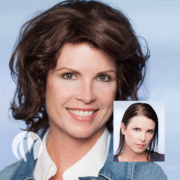
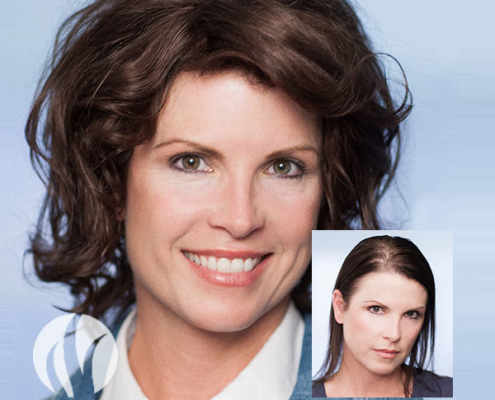 The most common cause of female hair loss is low thyroid function, which is common among menopausal women. Other causes include but are not limited to: changes in hormone levels (decrease or increase), increased testosterone, increased stress (physical or emotional), various medications, scalp/dermatological issues and heredity.
 This statement is number one on our list because it’s something we hear all the time.
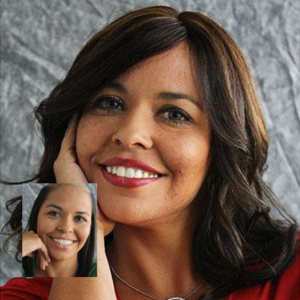 The spring season is a great time to freshen up your look — and one of the best ways to do so is with a new hair color. The ombré trend is on its way out; taking its place as the hottest color trend of the season is ecaille, or tortoiseshell. Celebs who are rocking the trend already include Jessica Alba, Lauren Conrad, and Gisele Bundchen.
 How you
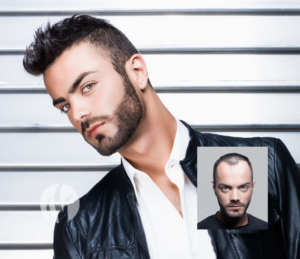 It could be that some of those people who you have been admiring their hair could be wearing custom hair replacement system. One of the many details that makes them non-detectable is the hairline. The natural look is just like you would see on someone with naturally growing hair. This natural hair line is possible because of the technology used today.
 I’m sure most of you can relate to admiring someone else’s hair and wishing you could have locks like theirs. The good news is you can with custom non-surgical hair replacement systems. It could be that some of those people who you have been admiring their hair could be wearing custom hair replacement system. One of the many details that makes a
 Silver bells, turkey dinners, and…holiday hair loss? The holiday season is full of fun moments from family gatherings to office parties. However, the number of events, responsibilities, and added purchases mean the holidays can also be rife with stress—to the detriment of your hair.
 Starting off the new year always comes with a host of New Year’s resolutions. Some may include going to the gym or eating healthier. But if you are a man or woman who hates to look in the mirror because all you can fixate on is how thin your hair has become, the New Year is the perfect time to finally do something about your hair loss and restore a full head of amazingly great looking hair in the latest styles or in your old favorite style.