

October: Breast Cancer Awareness Month
Hope, Support, and Empowerment
As the leaves turn golden and the air grows crisp, October brings more than just the beauty of autumn. It marks Breast Cancer Awareness Month, a time to unite in support, education, and empowerment for those affected by breast cancer. This annual campaign serves as a powerful reminder of the importance of early detection, the strength of survivors, and the ongoing need for research and support.
Understanding Breast Cancer
Breast cancer remains one of the most common cancers affecting women worldwide. However, it’s crucial to remember that early detection significantly improves treatment outcomes. Regular self-exams and mammograms are vital tools in the fight against breast cancer. This month serves as a reminder for all women to prioritize their health and schedule necessary screenings.
The Journey of Treatment
For those diagnosed with breast cancer, the treatment journey can be challenging. One of the most visible and emotionally impactful side effects of chemotherapy is hair loss. This change can profoundly affect a woman’s self-image and confidence during an already difficult time.

The Power of Fine Human Hair Wigs
Fine human hair wigs have emerged as a beacon of hope for many women undergoing chemotherapy. These wigs offer a natural look and feel, allowing women to maintain their appearance and, in turn, their sense of self. The emotional boost provided by a high-quality wig cannot be overstated. It allows women to face the world with confidence, attend social events without self-consciousness, and maintain a sense of normalcy in their daily lives. For many, it’s not just about aesthetics; it’s about reclaiming a part of their identity that cancer threatens to take away.
The Emotional Toll and Coping Strategies
Battling breast cancer is not just a physical challenge; it takes a significant emotional toll as well. The diagnosis alone can trigger a whirlwind of emotions – fear, anger, sadness, and anxiety. As treatment progresses, these feelings can intensify, compounded by physical discomfort and life changes.
Embracing Mindfulness and Meditation
In recent years, mindfulness and meditation practices have gained recognition as powerful tools in managing the emotional aspects of cancer treatment. These practices offer a way to find restorative calm and renewed strength amidst the storm of treatment and uncertainty.
Mindfulness, the practice of being present in the moment without judgment, can help patients manage anxiety about the future. It allows them to focus on the here and now, reducing overwhelming thoughts about what might come next. Simple mindfulness exercises, such as focused breathing or body scans, can be done anywhere, providing moments of peace throughout the day.
Meditation, often paired with mindfulness, offers a deeper dive into relaxation and self-awareness. Regular meditation practice has been shown to reduce stress, improve sleep quality, and even boost the immune system – all crucial benefits for someone undergoing cancer treatment. Many cancer centers now offer meditation classes or resources, recognizing its value in comprehensive care.
By incorporating these practices into their daily routine, breast cancer patients can develop resilience, manage stress more effectively, and maintain a more positive outlook throughout their treatment journey.
Community and Support
One of the most powerful aspects of Breast Cancer Awareness Month is the sense of community it fosters. Survivors, patients, families, and supporters come together to share stories, offer encouragement, and raise awareness. This solidarity reminds those battling breast cancer that they are not alone in their fight.
Taking Action
There are many ways to get involved during Breast Cancer Awareness Month:
- Educate yourself and others about breast cancer risks and early detection methods.
- Participate in local events such as walks or fundraisers.
- Donate to reputable breast cancer research organizations.
- Support someone you know who is battling breast cancer.
- Share your story if you’re a survivor, to inspire and encourage others.
October: A Time of Renewed Committment
October’s Breast Cancer Awareness Month is more than just a time to wear pink. It’s a call to action, a reminder of the strength of the human spirit, and a celebration of hope. By coming together, supporting research, and empowering those affected by breast cancer, we move closer to a world where breast cancer no longer threatens the lives of our loved ones. Let this October be a time of renewed commitment to this vital cause.

 October is a special month in so many ways. So many people see it as the first full month of fall (the BEST season ever). Others love the Halloween spirit and joy that it comes with. We think everyone can appreciate the month of fall for everything it stands for, as it is Breast Cancer Awareness month. Organizations like the NFL are proud supporters of finding a cure for breast cancer, along with many other professional sports franchises. We just wanted to take a moment to share our support for finding a cure, and that we know first hand the toll cancer can take on an individual.
 Hair loss is a common problem faced by women due to several reasons, including chemotherapy, alopecia, and aging. Losing hair can take a toll on one’s self-esteem, causing a loss of confidence and feelings of insecurity. However, thanks to advancements in technology, women can now use human hair wigs to help them regain their confidence and look their best.
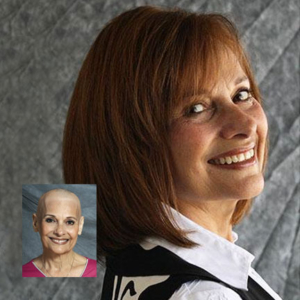 When your world changes following a cancer diagnosis, there is so much to think about. One of the big worries for patients having chemotherapy is hair loss, a major side effect of having some of the powerful drugs. But if you thought you were destined to wear a shapeless rug on your head, then think again. Times have changed, and there are now some really stylish options for people faced with hair loss.
 One of the most common forms of hair loss is called Trichotillomania. Trich is defined as a condition that makes the individual feel the need to pull out their own hair, mostly in large chunks. There are around 4,000,000 people nationwide who struggle with it. Studies have shown that trich can begin as early as 9, ages 12-13 being the most prominent group to suffer with this, and ongoing through adulthood. Luckily, pre-teens can often outgrow trichotillomania, but sadly, adults usually require some professional therapy and counseling. There are more consequences to
 Finding and selecting the right wig is a huge challenge. A beautiful wig can be a life changer for many women, especially if you are suffering from
 Many situations may arise that may cause you to want to buy a wig. However, if you have never shopped for a wig before, there may be some things you didn’t know or thought you knew about them. One of the most common issues, especially for
 The hair pulling disorder known as trichotillomania is an impulse control disorder that causes someone to have an urge for to pull on their hair, often pulling strands of hair out. While this disorder does affect both men and women, typically this disorder affects women more and it often starts in childhood. Those who are afflicted with